
You eat reasonably well. You try to stay active. You make time for rest. And yet something still feels off.
Energy is low, digestion is sluggish, sleep doesn’t refresh you, and stress feels harder to shake than it
used to. In Ayurveda, this pattern has a name: Ama accumulated toxicity that disrupts the balance of
Vata, Pitta, and Kapha doshas over time.
Panchakarma is Ayurveda’s most structured answer to this kind of deep-rooted imbalance. But it is not for
everyone, and it is not the same program for every person who walks in.
This guide will help you understand exactly who benefits from Panchakarma Treatment in Chandigarh
and equally important, who should wait or proceed only with careful clinical guidance.
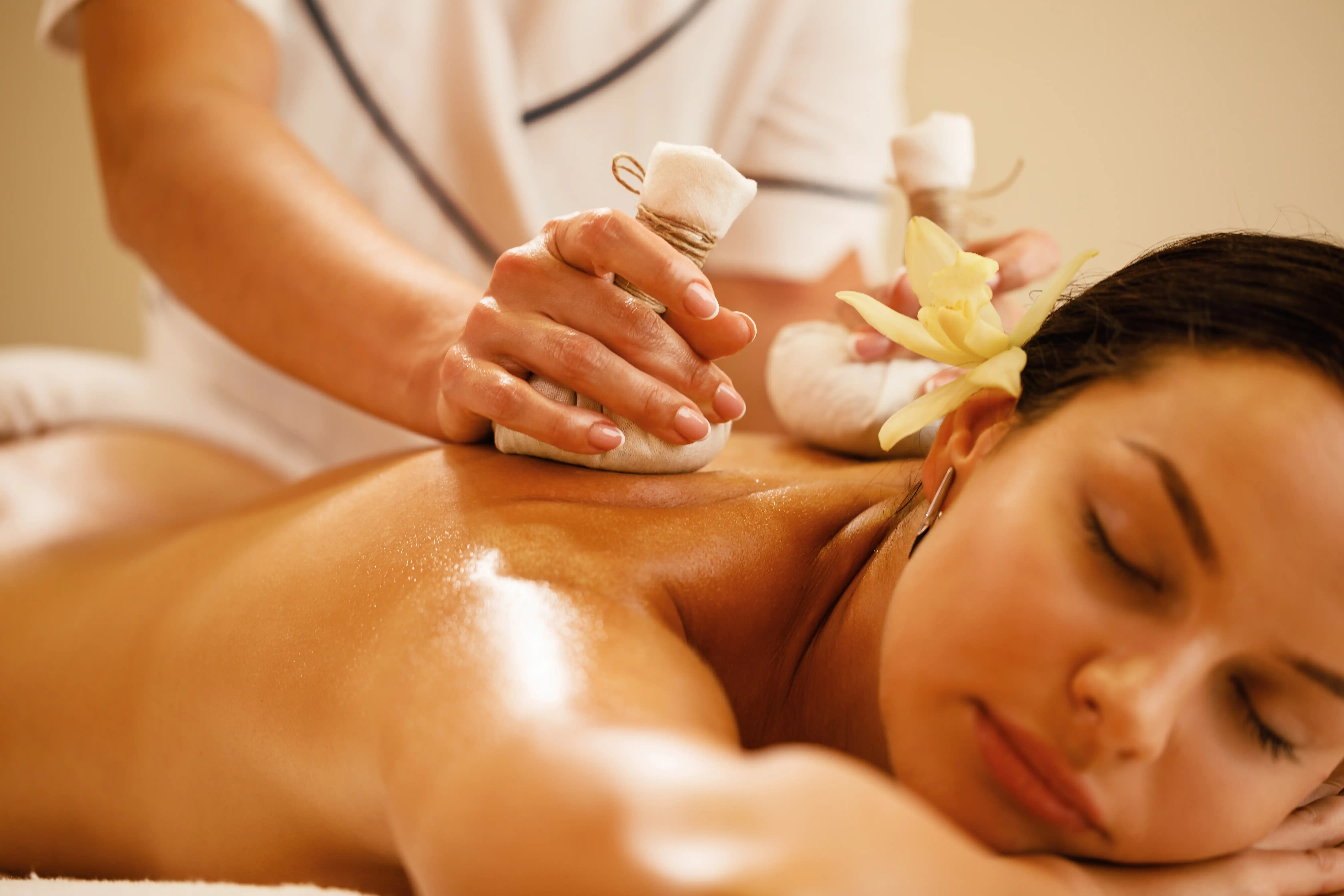
What Is Panchakarma Treatment?
Panchakarma literally means five actions a set of classical Ayurvedic procedures designed to remove
accumulated toxins (Ama), restore dosha balance, and prepare the body for deep rejuvenation
(Rasayana).
Unlike generic detox programs, Panchakarma is prescribed based on four individual factors:
- Prakriti your inborn body constitution
- Vikriti your current state of imbalance
- Agni your digestive strength at the time of treatment
- Bala your overall physical resilience
This is why a 7-day program for one person may look completely different from a 7-day program for
another same duration, entirely different therapies
Signs Your Body May Be Calling for Panchakarma
These are patterns I see repeatedly in clinic before recommending a Panchakarma evaluation:
- Persistent fatigue that sleep does not fix
- Bloating, heaviness, or irregular digestion
- Brain fog difficulty thinking clearly despite adequate rest
- Low-grade irritability or emotional flatness
- Skin that looks dull or congested
- Joint stiffness, especially in the mornings
- Weight that does not shift despite lifestyle changes
- Feeling like your body is running at 60% capacity
If three or more of these apply to you consistently, an Ayurvedic consultation to assess your Ama load is
worth having.
Who Should Consider Panchakarma Treatment?
1. People Experiencing Chronic Stress
Modern stress is not just psychological it has a direct physiological signature in Ayurveda. Prolonged
stress aggravates Vata and Pitta simultaneously, disrupts Ojas (the body’s vital essence), and impairs
both digestion and sleep in a self-reinforcing cycle.
Panchakarma for stress is not simply relaxation. It involves specific therapies to calm the nervous system,
restore digestive fire, and rebuild Ojas with Shirodhara and Shiro Abhyangam commonly forming the
core of a stress-focused protocol.
2. Individuals with Chronic Digestive Concerns
In Ayurveda, a compromised Agni (digestive fire) is the starting point of most disease. If you experience
indigestion or bloating after meals, irregular appetite, a feeling of heaviness or sluggishness after eating, or
alternating constipation and loose stools these are signs of Mandagni (low digestive fire) with Ama
accumulation. Panchakarma addresses this at the root. Deepana-Pachana (digestive fire restoration)
protocols are always part of the Panchakarma plan for these patients.
3. People Seeking Structured Natural Detoxification
Processed food, erratic schedules, environmental pollutants, and years of suppressed lifestyle habits all
contribute to systemic Ama. Many patients come in not with a specific complaint, but with a vague but
persistent sense that their body needs a reset. Panchakarma is the most structured, supervised approach
to this in Ayurveda far more individualized than any commercial cleanse or detox protocol.
4. Individuals with Poor Sleep Quality
Sleep is one of the three pillars of health in Ayurveda (Traya Upastambha). Poor sleep that is
stress-linked, mind-heavy, or associated with overthinking typically points to aggravated Vata in the
nervous system. A Shirodhara protocol warm medicated oil poured in a continuous stream over the
forehead is one of the most effective classical interventions for Vata-driven sleep disruption.
5. People with Low Energy and Vitality
Persistent low energy without a clear medical diagnosis is one of the most common presentations in clinic.
In Ayurveda, this often reflects depleted Ojas or blocked Srotas (body channels) neither of which shows
up on a standard blood panel. Panchakarma for vitality involves Snehana (oleation), Swedana (therapeutic
sweating), and Rasayana (rejuvenation) protocols tailored to the individual’s constitution and current Agni
strength
6. Individuals Interested in Preventive Wellness
Ayurveda places its highest emphasis on Swasthavritta the maintenance of health in a healthy person.
Seasonal Panchakarma (traditionally done at the junction of seasons) is prescribed not because
something is wrong, but as a recalibration before Ama has a chance to accumulate. Many patients
professionals in their 30s and 40s from Chandigarh, Mohali, and Panchkula come in annually for this
purpose alone.
Who Should NOT Undergo Panchakarma Without Careful Clinical
Evaluation?
This section is as important as the one above. Panchakarma is a powerful intervention and that means
contraindications matter. Proceed only with detailed consultation and modified protocols if you have:
- Active fever or acute infection Panchakarma is contraindicated during any acute illness.
- Pregnancy Most Shodhana therapies are contraindicated. Certain Snehana/Brimhana therapies
may be appropriate with specialist guidance. - Very low body weight or severe debility A preparatory nourishing phase may be needed before
any purification. - Immediately post-surgery Allow adequate healing time before purification.
- Uncontrolled diabetes or hypertension Protocols must be adjusted significantly with medical
supervision. - Active IBD flare Vamana and Virechana require stable gut integrity.
- Children under 7 and elderly above 80 Modified, gentler protocols only.
- Menstruation Most intense therapies are paused during active menstruation.
The Purvakarma evaluation before Panchakarma exists precisely to screen for these factors. Never
undergo Panchakarma at a centre that skips this step.
Why Choose Panchakarma Treatment in Chandigarh at AyamVeda?
At Dr. Ajayita Ayurveda Clinic at SCO 71, Sector 30C, Chandigarh every Panchakarma
program begins with a detailed Ashtavidha Pariksha (eight-fold examination), a pulse diagnosis, and a full
lifestyle and dietary intake.
No two programs are the same. The therapies selected, the medicated oils used, the dietary protocol, and
the duration are all determined by what your body’s actual state requires not a fixed package.
Patients visit from Chandigarh, Mohali, Panchkula, Zirakpur, Kharar, New Chandigarh, and internationally
from Canada, UAE, Germany, and Switzerland.
Frequently Asked Questions
How do I know if I need Panchakarma?
The clearest signal is a cluster of symptoms persistent fatigue, digestive sluggishness, poor sleep, brain
fog, or low energy that do not resolve with ordinary rest and lifestyle correction. An Ayurvedic
consultation with Nadi Pariksha (pulse diagnosis) will give you a clear answer.
Is Panchakarma only for people who are unwell?
No. Many patients use it as a preventive seasonal reset, the way Ayurveda has always intended it to be
used.
Do I need a consultation before Panchakarma?
Yes always. A proper Purvakarma assessment determines which therapies are appropriate, which are
contraindicated, the correct medicated oils, and the dietary protocol before, during, and after treatment.
Can I do Panchakarma if I am on allopathic medications?
This needs case-by-case evaluation. In many situations, Panchakarma can be conducted alongside
conventional medications, but the protocol will be modified. Disclose all medications at your consultation.