
Dr. Ajayita | Gold Medal BAMS | 25+ Years Clinical Practice | Founder AClinic Chandigarh | TEDx Speaker
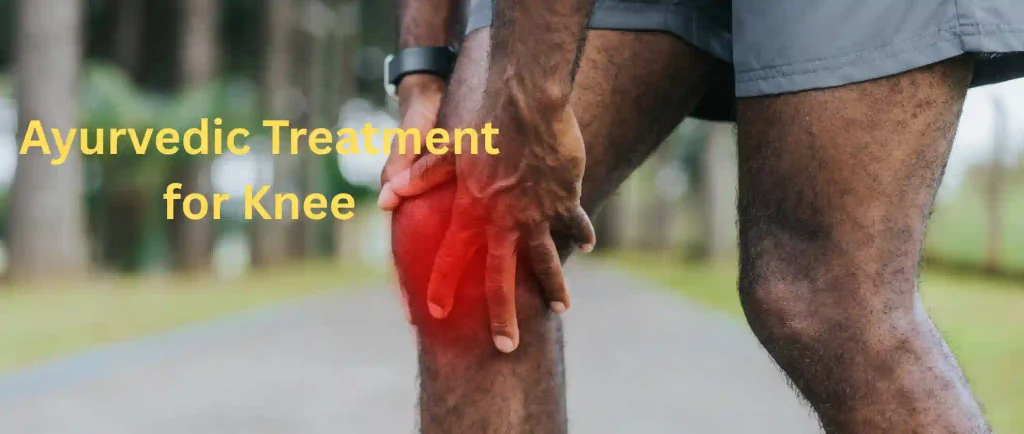
Knee pain affects millions of people, and in most cases, patients arrive having already been told the same thing it’s age it’s wear and tear, manage it as best you can. That’s part of the picture. It’s rarely the complete explanation, and on its own, it isn’t a treatment plan.
Understanding Knee Pain in Ayurveda
In Ayurveda, knee discomfort is primarily considered a Vata disease –the dosha that controls mobility, flexibility, and lubrication in all the joints. Age, over-use or exposure to cold and dry weather leads to irritation of Vata and the synovial fluid of the knee which is called Shleshaka Kapha in ancient medical terms tends to dry up. Less lubrication indicates more friction and more friction over time equals pain, stiffness, and cartilage damage.
This pattern is referred to as Sandhigata Vata in classical texts and is similar to osteoarthritis. The symptoms remains the same: discomfort and stiffness on movement, swelling around the knee, limited range of motion, and often an audible click or snap, called crepitus. Without care, wear-related knee pain may progress, and movement can become more limited over time.
A second factor often compounds this presentation. Ama, undigested metabolic waste from insufficient digestion, tends to lodge where Vata has already settled down, adding an inflammatory component on top of the mechanical wear. This is especially true if the knee discomfort includes an inflammatory element and not simply mechanical.
Ayurvedic Treatment Principles for Knee Pain
Treatment at AClinic is built around correcting the specific pattern identified through assessment Vata alone, or Vata with significant Ama involvement rather than a fixed protocol applied to every patient.
Vata Balancing
The main treatment priority is to calm stressed Vata, as it is the root of most appearances. This is done through warm oil-based therapies that neutralize the dry and cold features of Vata, together with a Vata-pacifying diet warm, moist, well-oiled foods rather than cold, dry or raw foods to support the joint from the inside as well as externally.
Herbal Formulations
Guggulu is indicated for its anti-inflammatory, analgesic and anti-arthritic properties by its action on exacerbated Vata and also on Ama buildup. Ashwagandha helps the muscles and ligaments around the joint, allowing for increased flexibility during a course of treatment. Shallaki (Boswellia serrata) is traditionally used to support joint comfort and ease stiffness. Evidence is limited, so it is used as part of a wider plan. Rasna is sometimes coupled with other formulations for its Vata pacifying action on the joints. The exact mixture is individual, not a standard formula.
External therapies
Abhyangam with medicated oils like Mahanarayan Taila or Ksheerabala Taila most typically nourishes and lubricates the Joint tissue directly. Janu Basti warm medicated oil pooled and maintained precisely over the knee penetrates deeper into the tissues than a massage alone, and is commonly used in traditional practice for persistent knee pain and early to moderate osteoarthritis. In cases of conspicuous stiffness and swelling, herbal fomentation by a heated poultice is employed, which facilitates the better penetration of the medicinal elements of the herb
Correction as per Panchakarma
Virechana may be utilized to eliminate excess Pitta and Vata leading to the inflammation in cases of considerable accumulation of Ama.Basti is traditionally used for Vata-related joint conditions. Warm medicated oils or decoctions are given as an enema, and the plan is set for each patient after assessment.
What this does not accomplish
If there is any significant cartilage loss on imaging we are honest about that. Ayurvedic treatment does not substitute missing cartilage. What continuous treatment does is reduce inflammation, enhance flexibility and greatly improve day-to-day mobility which for most patients is more important than what a scan shows.
Diet & Lifestyle
Dietary correction complements any external or Panchakarma based treatment: warm, nourishing, readily digestible foods, avoiding cold and raw foods which irritate Vata. To preserve mobility without further stressing the joint, gentle, steady movement is recommended, such as walking or yoga.
FAQ
Q: What is Sandhigata Vata?
A: The Ayurvedic term closest to osteoarthritis aggravated Vata lodging in the joint, drying the lubricating synovial fluid, and causing pain, stiffness, and gradual cartilage wear.
Q: Is knee pain always caused by age?
A: Age is a contributing factor, but digestion, diet, and lifestyle matter as much. Two people of the same age often have very different outcomes.
Q: What Ayurvedic treatments are used for knee pain?
A: Depending on assessment, treatment may include Abhyangam, Janu Basti, herbal formulations such as Guggulu and Shallaki, and, where indicated, Panchakarma therapies including Virechana or Basti.
Q: Can Ayurveda help if my scan shows cartilage loss?
A: Ayurveda cannot regrow lost cartilage, but consistent treatment may support comfort and mobility.
Q: Can I start with an online consultation?
A: Yes, for an initial assessment. Phone consultation Rs. 700, video Rs. 900. Call 0172-2650793 or book at doctorajayita.com.
Disclaimer
This article is general information and not a substitute for medical advice. Knee pain can have many causes. Please see a registered doctor for diagnosis, especially if you have swelling, an injury, fever or severe pain.