In 25 years of clinical practice, PCOS is the condition I am asked about most frequently by patients who have already tried everything conventional medicine offered and found it insufficient. They arrive having been on metformin for two years, or oral contraceptive pills for three, or both simultaneously with their ultrasounds still showing polycystic ovaries, their periods still irregular, their hair still falling, and their weight still climbing.The question they ask me is not “can Ayurveda help with PCOS.” They have already decided it can. The question they ask is: “Why has nothing I have tried actually fixed it?”
The answer is not complicated. Every treatment they tried was designed to manage the hormonal output of PCOS suppress androgen, regulate insulin, induce a cycle. None of them were designed to correct the metabolic and doshic root that is generating the hormonal imbalance in the first place. This is the fundamental difference between the conventional and Ayurvedic approaches to PCOS and it explains why patients who address the root cause through Ayurveda see results that outlast any hormonal medication they have tried.
WHAT PCOS ACTUALLY IS THE AYURVEDIC UNDERSTANDING
Polycystic Ovary Syndrome is a metabolic and endocrine disorder not primarily a reproductive one. The ovarian cysts are a consequence, not a cause. They form because the underlying hormonal and metabolic environment has become hostile to normal follicular development and ovulation. Treating the cysts, or even the hormonal output, without correcting the environment that created them is why most PCOS treatments produce temporary results at best.Classical Ayurveda described this condition under several terms Artava Kshaya (diminished menstrual function), Pushpaghni Jataharini (conditions affecting ovulation and fertility), and Nashtartava (absent menstruation) all recognized as arising from specific doshic imbalances affecting the Artavavaha Srotas (the channels governing reproductive function). The Ayurvedic understanding is that PCOS is a disorder of the metabolic environment, not primarily a reproductive disorder which is exactly what modern endocrinology is increasingly recognizing.
The three dominant doshic patterns I see in PCOS patients:
Kapha-dominant PCOS is the most common pattern in my clinical practice. It presents as weight gain concentrated around the abdomen and hips, sluggish metabolism, insulin resistance, oily skin, acne, irregular or delayed cycles, and a heavy depressive quality to the emotional presentation. These patients often have elevated insulin, elevated LH:FSH ratio, and multiple small cysts on ultrasound. The root cause is Kapha accumulation in the channels of reproduction Kapha’s inherent quality of heaviness and obstruction literally blocking the hormonal signaling cascade required for normal ovulation.
Vata-dominant PCOS is less common but often more distressing. It presents as absent or scanty periods, severe anxiety and sleep disruption, hair fall, dry skin, low body weight or normal weight with PCOS which confuses conventional diagnosis since PCOS is typically associated with overweight patients. The root cause here is Vata aggravation disrupting the rhythmic hormonal cycle that governs the entire menstrual process. These patients often have low AMH, significant adrenal involvement, and a history of chronic stress or extreme dietary restriction.
Pitta-dominant PCOS presents as inflammatory significant acne, scalp hair loss with excess facial and body hair, PMS with pronounced anger and irritability, heavy and painful periods when they do occur, and a driven, high-achieving personality that masks significant internal stress. Liver function is typically compromised in this pattern, driving androgen excess through impaired hormone metabolism. These patients often have elevated testosterone and DHEA-S on their hormonal panel.
Most patients present with a combination of two dominant patterns most commonly Kapha and Vata together. The treatment must address both simultaneously, which is why a single herb or a single Panchakarma procedure rarely produces complete results on its own.
WHY CONVENTIONAL PCOS TREATMENT PRODUCES INCOMPLETE RESULTS
I want to be clear about something before I explain the Ayurvedic approach: conventional medicine has a role in PCOS management, and I never advise patients to stop prescribed medication without consulting their treating physician. Metformin genuinely helps insulin sensitivity. Oral contraceptives genuinely regulate cycles in the short term. These are not worthless interventions.
The problem is not that they do not work. The problem is what they cannot do.
Metformin addresses insulin resistance at the cellular level but it does not correct the Kapha accumulation that created the insulin resistance in the first place. When a patient stops metformin, the underlying metabolic environment has not changed, and the insulin resistance returns. This is not a failure of the medication. It is working exactly as designed as a management tool, not a corrective one.
Oral contraceptives regulate the cycle by overriding the body’s own hormonal signaling with synthetic hormones but the underlying anovulatory environment has not changed. When the pill is stopped, the PCOS reasserts itself. Again, not a failure. This is what the medication was designed to do.
Ayurveda is not trying to do what these medications do. It is trying to do something these medications cannot do correct the metabolic and doshic environment that is generating the hormonal imbalance. This is a longer process. It is not a 30-day intervention. But when it is done correctly, the results do not reverse when the treatment stops because the underlying environment has genuinely changed.
THE AYURVEDIC TREATMENT APPROACH — WHAT I ACTUALLY USE
Every PCOS treatment program at AClinic begins with a complete assessment: Prakriti evaluation, Vikriti analysis, Nadi Pariksha (pulse diagnosis), menstrual history going back to menarche, dietary history, stress load, sleep patterns, and a review of all existing investigations including ultrasound, hormonal panel, thyroid function, and fasting insulin. Based on this, I identify the dominant doshic pattern and design the treatment protocol accordingly.
The core Panchakarma interventions I use for PCOS:
Virechana therapeutic purgation is the intervention I use most frequently for PCOS, particularly for Pitta-dominant and Kapha-dominant presentations. Virechana directly targets the liver and small intestine the primary sites of Pitta accumulation and hormone metabolism. When the liver is overburdened, it cannot process estrogen and testosterone correctly, allowing androgens to accumulate and driving the hormonal imbalance that produces PCOS symptoms. A properly administered Virechana program resets this pathway. In my clinical experience, patients who complete Virechana often see the first signs of returning cycle regularity within the subsequent 2-3 cycles not because we have artificially induced a period, but because the hormonal processing environment has genuinely improved.
Basti medicated enema therapy is the cornerstone of treatment for Vata-dominant PCOS and for the Vata component in mixed presentations. Basti directly addresses the colon, the primary seat of Vata, and restores the rhythmic hormonal signaling that Vata aggravation has disrupted. The gut-brain-ovarian axis is now well-documented in modern reproductive endocrinology gut dysbiosis directly affects estrogen metabolism and ovarian function. Basti corrects gut function while simultaneously addressing the neurological stress component that drives Vata-dominant PCOS.
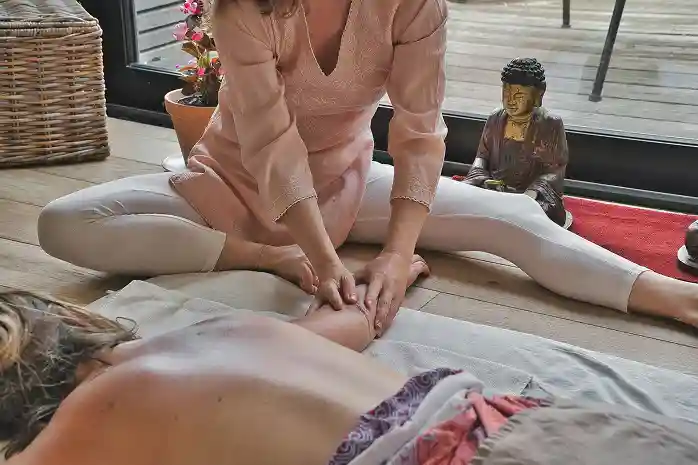
Udvartana dry herbal powder massage is used specifically for Kapha-dominant PCOS with significant insulin resistance and weight accumulation. Udvartana stimulates lymphatic circulation, breaks down subcutaneous fat deposits, and directly improves cellular glucose metabolism. Combined with specific dietary protocols targeting Kapha reduction and insulin sensitivity, Udvartana is one of the most effective interventions I have found for the metabolic component of PCOS.
Shirodhara continuous warm medicated oil therapy is used for the stress and neurological component that underlies both Vata-dominant and mixed presentations. Chronic stress is one of the most underdiagnosed drivers of PCOS in urban women aged 25-38. Shirodhara directly calms the hypothalamic-pituitary axis, reduces cortisol, and supports the restoration of the rhythmic hormonal cascade that stress has disrupted.
Internal herbal formulations are prescribed based on the individual assessment. The formulations I use most frequently for PCOS include Shatavari (primary uterine tonic and estrogen modulator), Ashwagandha (adaptogenic, supports adrenal and cortisol regulation), Guduchi (metabolic correction and anti-inflammatory), Kanchanar Guggulu (thyroid and lymphatic function, particularly effective when thyroid involvement is suspected), Lodhra (hormonal regulation and uterine tonic), and Triphala (gut health and gentle systemic detoxification). The specific combination, dose, and duration are determined after assessment not prescribed generically.

WHAT RESULTS TO EXPECT AND WHEN
I want to be specific about timelines because I have found that patients who understand what to expect at each stage of treatment are far more consistent and consistency is what determines outcomes in PCOS.
Weeks 1-4 of treatment: Most patients notice improved sleep, reduced anxiety, and better digestive regularity. These are early indicators that the treatment is working on the right underlying systems. Do not expect period regularity in this phase.
Weeks 4-8: Patients typically notice reduced acne, improvement in skin oiliness, and the beginning of hair fall reduction. Weight begins to stabilize in Kapha-dominant patients even before significant loss occurs. For patients who have not had a period in several months, the first signs of cervical mucus or light spotting may appear.
Weeks 8-16: This is where significant menstrual changes typically begin. Cycle regularity starts to return. Hair fall continues to reduce. In Kapha-dominant patients, weight loss typically accelerates in this phase as insulin sensitivity improves. Most patients report significant improvement in mood, energy, and emotional regulation.
Months 4-6: For most patients who have been consistent with treatment and dietary guidance, this is when the hormonal panel begins to reflect the clinical improvements LH:FSH ratio normalizing, testosterone reducing, AMH improving in Vata-dominant patients. Ultrasound findings typically lag clinical improvement by several weeks.
For patients with longstanding PCOS of 5 years or more, the full correction timeline may extend to 8-12 months. This is not a sign that the treatment is not working it is a reflection of how long the underlying environment has been disrupted and how much correction is required.
WHAT PATIENTS COMMONLY GET WRONG ABOUT AYURVEDIC PCOS TREATMENT
he most common mistake I see is patients treating Ayurveda as a supplement to their existing approach without making the dietary and lifestyle changes that are foundational to correction. Taking Shatavari and Ashwagandha while continuing to eat refined carbohydrates, sleep at 2 AM, and manage chronic stress with caffeine will not produce PCOS correction. The herbal formulations support the correction. They cannot create it unilaterally. The second most common mistake is stopping treatment when the first improvements appear typically at 6-8 weeks when sleep has improved and skin is clearer. The superficial symptoms improve first. The underlying hormonal and metabolic correction takes longer. Stopping at 6 weeks is like stopping antibiotics when the fever breaks. The third mistake is comparing timelines across patients. Two women with identical ultrasound findings and identical hormonal panels may need completely different treatment protocols and may see results at completely different rates because their Prakriti, digestive strength, stress load, and compliance with dietary guidance are all different. PCOS is not one condition. It is one label applied to several different underlying patterns. Your timeline is your own.
FAQ
Q: Can Ayurveda cure PCOS permanently?
Ayurveda corrects the doshic and metabolic environment that is generating the PCOS. When this correction is sustained through appropriate diet and lifestyle, the condition does not reassert itself. Whether this constitutes a “cure” depends on how you define the word. What I can tell you from clinical experience is that patients who complete a full protocol and maintain the dietary and lifestyle changes recommended do not return to me with PCOS reasserting itself which is not the experience most of them had with conventional treatment when medication was stopped.
Q: Can I do Ayurvedic treatment alongside my current PCOS medication?
Yes — in most cases. I assess each patient’s current medications during the initial consultation and design the Ayurvedic protocol to work alongside them. Some Panchakarma procedures may need to be modified or timed around existing medications. A complete medication history review is mandatory before any treatment begins at AClinic.
Q: Will Ayurvedic PCOS treatment help with fertility?
Restoring hormonal and metabolic balance is the most reliable foundation for improving fertility in PCOS patients. When ovulation returns and the cycle regulates, fertility naturally improves. I do not make fertility guarantees but I can tell you that correcting the underlying environment is the most meaningful thing that can be done for PCOS-related fertility challenges.
Q: Is Ayurvedic treatment safe for PCOS with thyroid issues?
Yes. Thyroid dysfunction and PCOS frequently coexist I assess thyroid function as a mandatory part of every PCOS consultation. The Ayurvedic protocols I use for combined PCOS and thyroid involvement include specific formulations that address both simultaneously, particularly Kanchanar Guggulu for Kapha-driven hypothyroid involvement.
Q: How is Ayurvedic PCOS treatment different from taking herbal supplements online?
The difference is the same as between a prescription medication and a vitamin you read about on the internet. The herbs used in Ayurvedic PCOS treatment are selected based on your specific doshic pattern, current imbalance, digestive strength, and health history not based on what works for PCOS generically. Shatavari is an excellent uterine tonic for Vata-dominant PCOS. It can worsen Kapha accumulation in Kapha-dominant PCOS. The herb is not the treatment. The assessment that determines which herb is appropriate for which patient is the treatment.
Q: Can I consult Dr. Ajayita online for PCOS treatment?
Yes. Online PCOS consultations are available for patients across India and internationally. A complete Ayurvedic assessment can be conducted thoroughly online. Book via the website, WhatsApp, or by calling 0172-2650793.