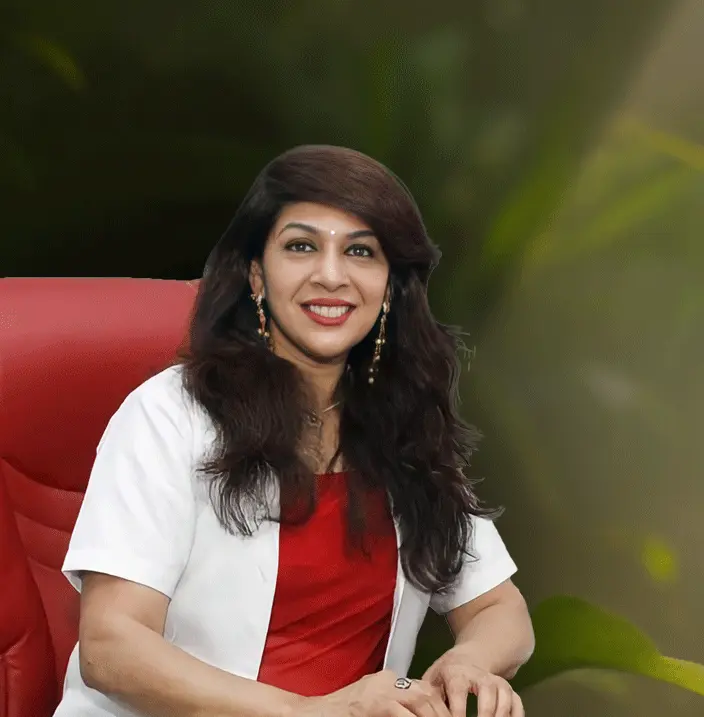
Written by Dr. Ajayita | Gold Medal BAMS | 25+ Years Clinical Practice | Founder, AClinic Chandigarh | TEDx Speaker
Before booking a consultation with an Ayurvedic doctor, most patients want to know what they are actually qualified to do and what they cannot. These are fair and important questions. Here are direct answers.
WHAT QUALIFICATIONS DOES AN AYURVEDIC DOCTOR HAVE?
A qualified Ayurvedic doctor in India holds a BAMS degree Bachelor of Ayurvedic Medicine and Surgery. This is a 5.5-year undergraduate medical degree including a one-year internship, regulated by the Central Council of Indian Medicine (CCIM).
The BAMS curriculum covers:
- Ayurvedic classical texts Charaka Samhita, Sushruta Samhita, Ashtanga Hridayam
- Anatomy and physiology both Ayurvedic and modern
- Ayurvedic pharmacology herbal, mineral, and animal preparations
- Clinical medicine diagnosis and treatment of internal and external conditions
- Panchakarma classical therapeutic procedures
- Surgery Shalya Tantra and Shalakya Tantra basic surgical principles
- Modern medicine anatomy, pathology, pharmacology, surgery, and emergency medicine
After BAMS, Ayurvedic doctors can pursue postgraduate degrees MD Ayurveda and MS Ayurveda in specific specializations.
CAN AN AYURVEDIC DOCTOR DO SURGERY?
The classical answer: Yes.
The modern clinical answer: It depends on their training and registration.
Classical Ayurveda has its own complete surgical system Shalya Tantra described in the Sushruta Samhita. Sushruta, the ancient Ayurvedic physician who systematized this knowledge, is globally recognized as the father of surgery. He described over 300 surgical procedures and 120 surgical instruments in classical texts.In modern clinical practice, BAMS graduates receive training in basic surgical principles. Depending on their postgraduate specialization and state registration, some Ayurvedic doctors are permitted to perform specific surgical procedures.
However most Ayurvedic doctors including Dr. Ajayita specialize in internal medicine and Panchakarma rather than surgery. At AClinic all treatments are non-invasive. If surgical intervention is required, Dr. Ajayita refers patients to the appropriate specialist.
CAN AN AYURVEDIC DOCTOR PRACTICE ALLOPATHY?
No under Indian law, an Ayurvedic doctor registered under CCIM cannot prescribe or practice allopathic medicine. The Indian Medical Council Act and state medical practice acts restrict allopathic practice to doctors registered with the Medical Council of India (MCI) now the National Medical Commission (NMC) holding MBBS degrees.An Ayurvedic doctor practicing allopathy without the appropriate registration is practicing outside their legal scope. This is an important patient safety issue always verify that your treating doctor is practicing within their registered scope.
Dr. Ajayita is registered with the Himachal Pradesh Board of Ayurvedic and Unani Systems of Medicine and practices exclusively classical Ayurveda.
CAN AN AYURVEDIC DOCTOR TREAT SERIOUS CONDITIONS?
Conditions commonly and effectively treated through Ayurveda:
- PCOS and hormonal imbalance
- Thyroid disorders
- Chronic digestive conditions IBS, GERD, malabsorption
- Joint pain and arthritis
- Hair fall and skin disorders
- Stress, anxiety, and sleep disorders
- Metabolic conditions obesity, insulin resistance
- Autoimmune conditions with appropriate assessment
Conditions where Ayurveda is supportive but not primary:
- Active infections requiring antibiotics antibiotics
- Surgical emergencies
- Cancer Ayurveda plays a supportive role
- Acute cardiac events
At AClinic, Dr. Ajayita assesses every patient’s complete health picture before recommending any treatment. If a condition requires conventional medical intervention or if the patient should see a specialist Dr. Ajayita says so clearly.
Can a BAMS Doctor Do Surgery in India?
A BAMS doctor is trained in Ayurvedic medicine, including foundational surgical concepts. However, a BAMS degree alone should not be taken as blanket permission to perform every type of surgery. According to the Government of India’s 2020 clarification, postgraduate training in Shalya Tantra (surgery) and Shalakya Tantra (eye, ENT and related specialities) covers 58 specified surgical procedures. A doctor’s eligibility depends on their qualifications, training, registration and applicable regulations.
Summary: A BAMS doctor cannot automatically perform all types of surgery based on the degree alone. Certain specified surgical procedures may be permitted for appropriately qualified postgraduate Ayurvedic specialists under the applicable regulatory framework. Patients should verify a doctor’s credentials and scope of practice before undergoing surgery.
WHAT SHOULD I LOOK FOR WHEN CHOOSING AN AYURVEDIC DOCTOR?
- Confirmed BAMS degree from a recognized university
- Active registration with the relevant State Ayurvedic Council
- Clear explanation of your dosha pattern and the treatment rationale
- No fixed packages without prior assessment
- Willing to work alongside your existing allopathic treatment
- Transparent about what Ayurveda can and cannot do for your condition
FAQ
Q: Can an Ayurvedic doctor do surgery?
A: Classical Ayurveda has its own surgical system Shalya Tantra and BAMS graduates receive surgical training. In modern practice, most Ayurvedic doctors specialize in internal medicine rather than surgery. At AClinic all treatments are non-invasive. If surgery is required, Dr. Ajayita refers to the appropriate specialist.
Q: Can an Ayurvedic doctor practice allopathy?
A: No under Indian law, CCIM registered Ayurvedic doctors cannot prescribe or practice allopathic medicine. Dr. Ajayita practices exclusively classical Ayurveda.
Q: Can an Ayurvedic doctor prescribe allopathic medicine?
A: No legally, a CCIM-registered Ayurvedic doctor cannot prescribe allopathic medicines. However Ayurvedic treatment at AClinic is designed to work safely alongside your existing allopathic medication Dr. Ajayita reviews all medications during the initial consultation.
Q: How do I verify an Ayurvedic doctor’s credentials?
A: Ask to see their BAMS certificate and State Ayurvedic Council registration certificate. You can also verify registration status at ccim.nic.in.
Q: Can I consult Dr. Ajayita online?
A: Yes. Online consultations available pan-India and internationally. Phone Rs. 700. Video Rs. 900. Call 0172-2650793.