
Written by Dr. Ajayita | Gold Medal BAMS | 25+ Years Clinical Practice | Founder, AClinic Chandigarh | TEDx Speaker
Panchakarma is a traditional Ayurvedic therapeutic approach that uses a set of procedures for internal purification. The term Panchakarma refers to five therapeutic procedures described in Ayurveda, with the choice of procedure depending on the person’s condition and treatment needs.
Unlike a general wellness detox or massage programme, Panchakarma is traditionally organised as a planned process that can include preparation, a main therapeutic procedure, and post-treatment care. In this article, we will explain what Panchakarma means, the five procedures, how the process works, its potential benefits, safety considerations, and what modern research generally tells us.
What Is Panchakarma?
In Ayurveda, Panchakarma is described as a group of five therapeutic purification procedures. The treatment is not intended to be identical for every person. Instead, the selected approach can depend on factors such as the individual’s condition, Ayurvedic assessment, strength, age, and treatment goals.
The word Pancha means five, while Karma refers to therapeutic action or procedure. In traditional Ayurvedic practice, Panchakarma is viewed as a structured process rather than a single massage or one-day detox treatment
What Are the Five Panchakarma Procedures?
Vamana
Vamana is a planned therapeutic emesis procedure described in Ayurveda primarily in relation to aggravated Kapha. It is different from vomiting caused by illness and is traditionally performed only after appropriate preparation and assessment.
Virechana
Virechana refers to therapeutic purgation using medicines. In the Ayurvedic framework, it is traditionally associated with aggravated Pitta and is carried out as a controlled procedure within a planned treatment programme
Basti
Basti is a medicated enema therapy described in Ayurveda. Different forms of Basti use different medicinal preparations, and the choice depends on the individual’s condition and the intended therapeutic approach. It is traditionally associated particularly with Vata-related disorders.
Nasya
Nasya involves administering an Ayurvedic medicine through the nasal route. Traditional Ayurvedic practice mainly uses it in conditions affecting the region above the clavicle, with the particular medicine and method selected according to the treatment plan
Raktamokshana
Raktamokshana, or therapeutic bloodletting, is included as the fifth procedure in some Ayurvedic classifications. It is distinct from the other Panchakarma procedures and should only be considered after appropriate professional assessment.
Potential Benefits
- May support the traditional Ayurvedic goal of reducing aggravated doshas and promoting balance.
- May be used as part of a personalised Ayurvedic treatment plan for selected health concerns.
- Can include structured dietary and lifestyle guidance before and after the main procedure.
- Provides a broader treatment framework in which preparatory and supportive therapies may be used when appropriate.
These points describe traditional Ayurvedic purposes. They should not be interpreted as proof that Panchakarma can cure every disease or provide the same benefit to every person.
How Does the Process Work?
- Assessment and treatment planning – The practitioner reviews the person’s health, symptoms, history, and Ayurvedic assessment before deciding whether Panchakarma is appropriate.
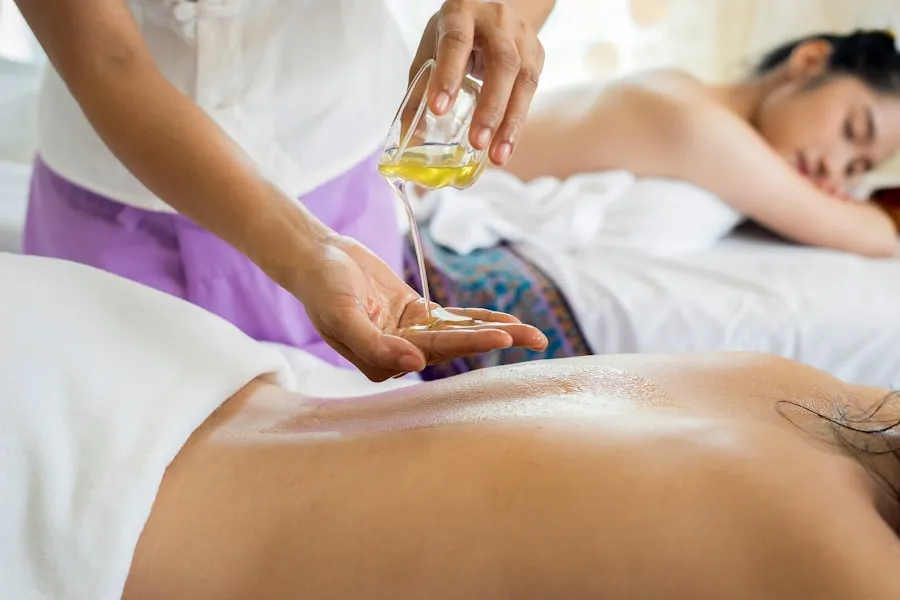
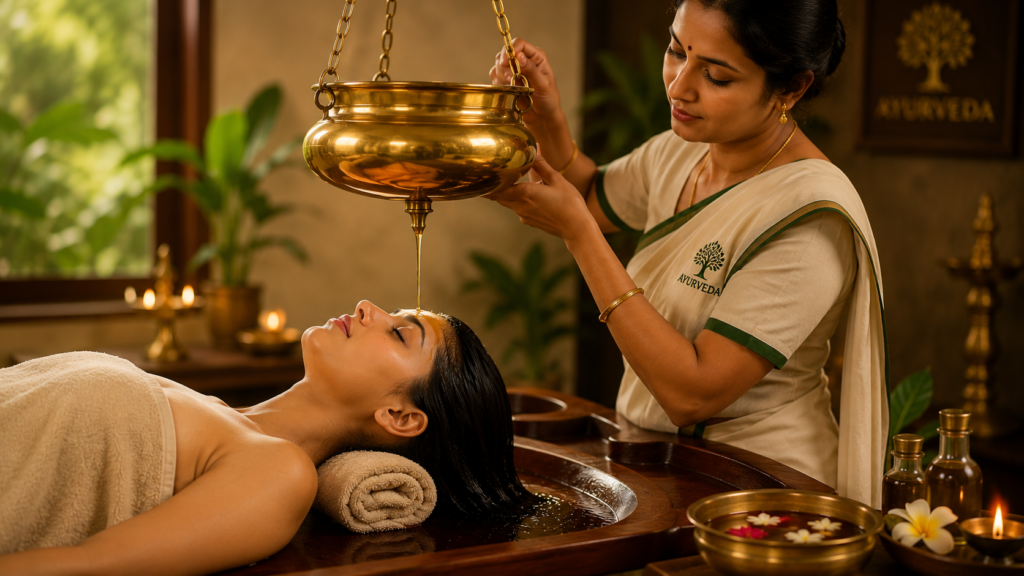
- Preparation – Depending on the planned therapy, preparation may include measures such as Snehana (oleation) and Svedana (sudation).
- Main Panchakarma procedure – The selected procedure is carried out according to the treatment plan, which may include Vamana, Virechana, Basti, Nasya, or another traditionally recognised procedure.
- Post-treatment care – Dietary, rest, and lifestyle guidance may be advised after the main procedure to support recovery and a gradual return to the usual routine
Safety and Precautions
Panchakarma should not be treated as a routine detox programme that is automatically suitable for everyone. Some procedures can have significant physiological effects, so appropriate assessment, preparation, technique, supervision, and follow-up are important.
- The selected procedure should be based on an individual assessment rather than a standard package.
- People with existing health conditions or those taking medicines should discuss suitability with an appropriately qualified practitioner.
- Procedures involving induced vomiting, purgation, medicated enemas, or bloodletting should not be attempted as do-it-yourself treatments.
- Any unexpected or significant symptoms during or after treatment should be assessed promptly by a healthcare professional.
What Does Research Say?
Modern research on Panchakarma is still developing. Studies have explored individual Ayurvedic procedures and broader Panchakarma programmes in different health settings, but the evidence is not uniform across all treatments and conditions.
This means traditional Ayurvedic explanations and modern scientific evidence should be kept distinct. A traditional description of purification or dosha balance does not by itself establish a biomedical mechanism or prove that Panchakarma will produce a specific clinical outcome for every patient.
Considering Panchakarma Treatment in Chandigarh?
Panchakarma is a personalised Ayurvedic process, not a one-size-fits-all treatment. If you are considering Panchakarma and want to understand whether it is appropriate for your needs, a consultation with Dr. Ajayita can help you discuss your concerns, treatment goals, and possible Ayurvedic options before deciding on a procedure.
Frequently Asked Questions
Is Panchakarma suitable for everyone?
No. Suitability depends on the individual’s health, condition, treatment goals, and the specific procedure being considered. A proper assessment should be completed before undertaking Panchakarma.
How long does Panchakarma take?
There is no single duration for every person. The overall programme can include preparation, the main procedure, and post-treatment care, so the time required varies according to the treatment plan and individual needs.
Are there any precautions?
Yes. Some Panchakarma procedures can produce significant physiological effects. Appropriate assessment, professional supervision, and post-treatment care are important, especially for procedures such as Vamana, Virechana, Basti, and Raktamokshana.
Is Panchakarma the same as an Ayurvedic massage?
No. Ayurvedic massage, such as Abhyanga, may be used as a preparatory or supportive therapy, but massage itself is not the same as Panchakarma. Panchakarma refers to specific therapeutic procedures within a broader treatment process.
Does Panchakarma remove toxins from the body?
Ayurveda describes Panchakarma in terms of purification and elimination of aggravated doshas. The modern biomedical use of the word “toxins” is different, so it is better to describe traditional Ayurvedic purification concepts separately from claims about scientifically proven toxin removal.
Conclusion
Panchakarma treatment is a structured Ayurvedic approach involving a set of traditionally described therapeutic procedures. It is not simply a massage or a generic detox programme, and the exact approach can vary according to the individual’s condition and treatment plan.
For someone considering Panchakarma, the key is understanding the proposed procedure, the preparation and aftercare involved, and whether it is appropriate for their circumstances. A personalised consultation can help clarify these questions before treatment begins.
One Response